fundamentes Bogotá
>_
About fundamentes
FUNDACION SOCIOCULTURAL MENTES CREADORAS is a Non-Profit Organization (E.S.A.L. in spanish) that aims to promote arts and culture to improve the well-being and quality of life of young people and other vulnerable populations in the city of Bogotá D.C. This is done through the implementation of plans, programs and projects that allow training in creative processes for listening and identifying of situations that affect their psycho-social development.
It is governed by Colombian laws and regulations and has been registered in the Chamber of Commerce of Bogotá since June 15th, 2023, with ID. NIT. 901.723.627-2. FUNDAMENTES' primary area of work is Bogotá, D.C. However, at the discretion of the Founders' Council, the foundation may establish offices or carry out activities in other cities and/or municipalities in Colombia.
FUNDAMENTES BOGOTÁ Organization
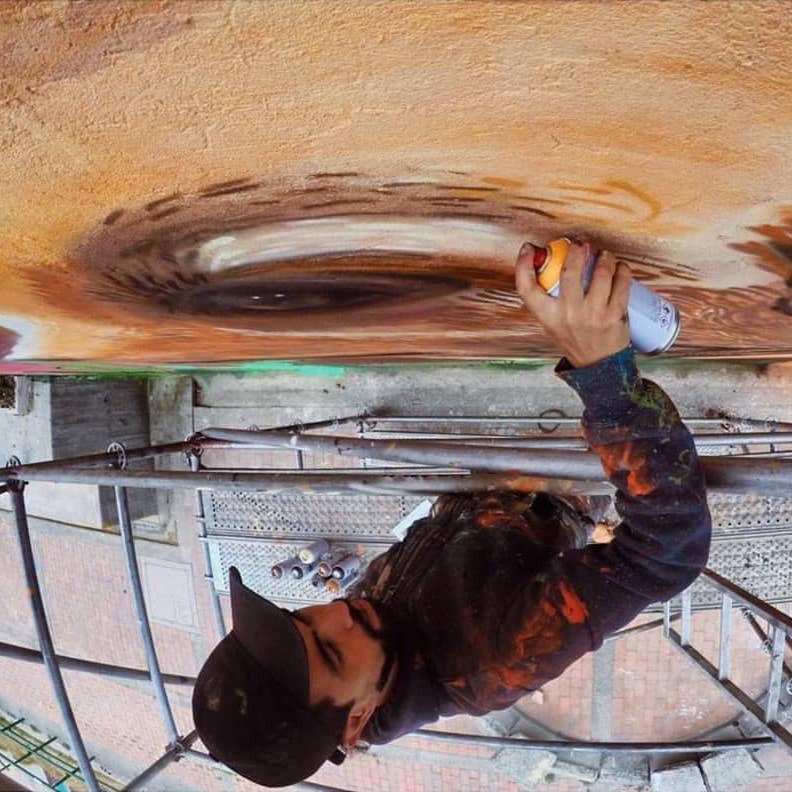
According to Article 13 of the Foundation's Statutes, the Founders' Council is the highest deliberative and decision-making authority. It will be composed of the founding members in the exercise of their rights, gathered with the quorum and in accordance with the terms prescribed in these statutes and by law. For the period 2025-2026 Isaac Francisco Salgado Ramírez, Wilson Niño Vargas y Claudia Tovar Guerra were defined as active members of the Founders' Council.
The Founders' Council has delegated the administration and legal representation of the Foundation to the Legal Representative, who will have an Alternate Legal Representative who may replace him in his absolute, temporary, or accidental absences. Isaac Salgado Ramírez and Wilson Niño Vargas were selected as Legal Representative and Alternate Legal Representative respectively.
Likewise, the Founders' Council has established a Board of Directors responsible for implementing FUNDAMENTES' various programs and projects. For the 2025-2026 period, the Legal Representative and the Alternate Representative have been appointed as Strategic Director and General Director, respectively. The Management Director and the Communications Director have also been appointed as additional executive members within the Board of Directors.
Isaac Salgado Ramírez
Strategic Director & Co-Founder
Psychoanalyst of the Lacanian Field
.jpg?h=a485d97156f0e5d79bc992af2fece22e)
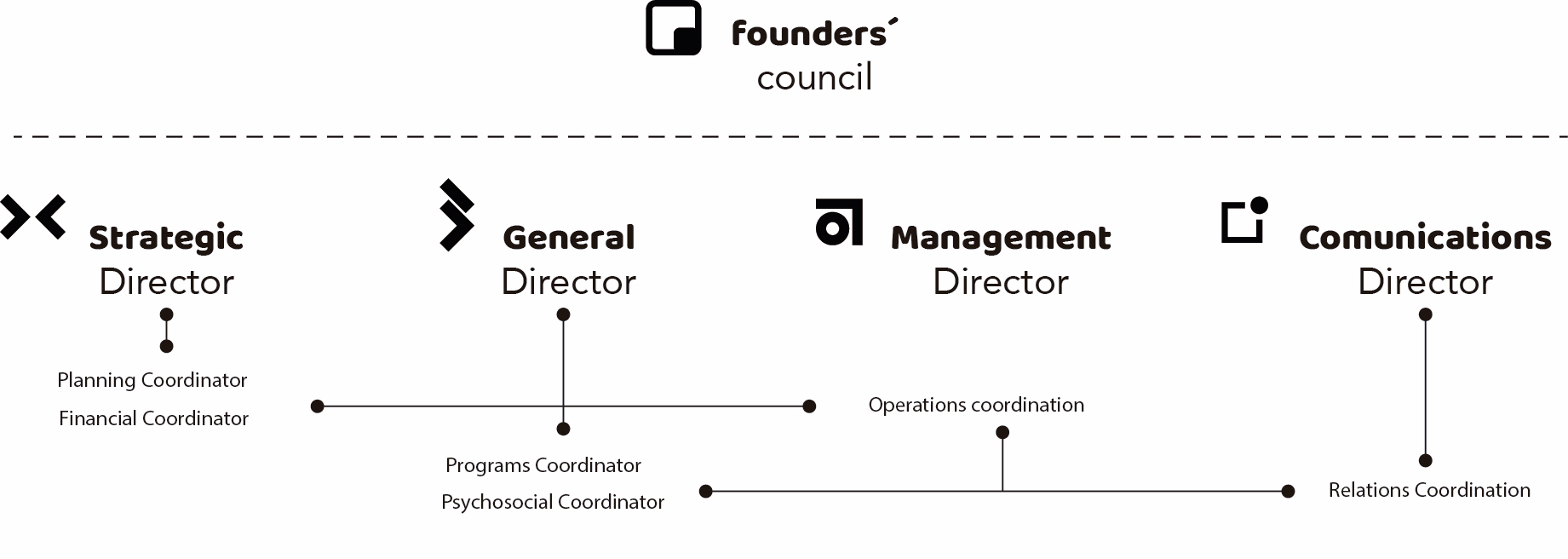
Wilson Niño Vargas
General Director & Co-Founder
Urban Artist / Alternative Pedagogics
Luisa Zarta Forero
Management Director
Visual Artist / Cultural Management
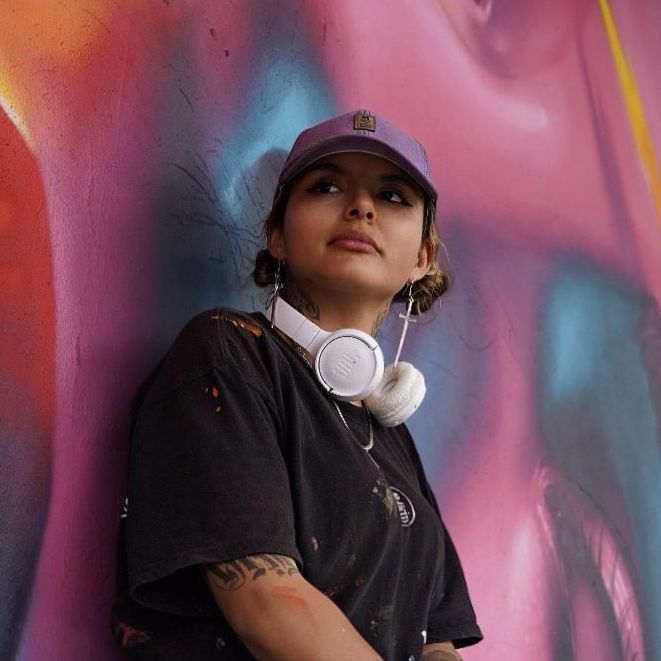
Dahiana Córdoba Ramírez
Communications Assistant
Visual Artist
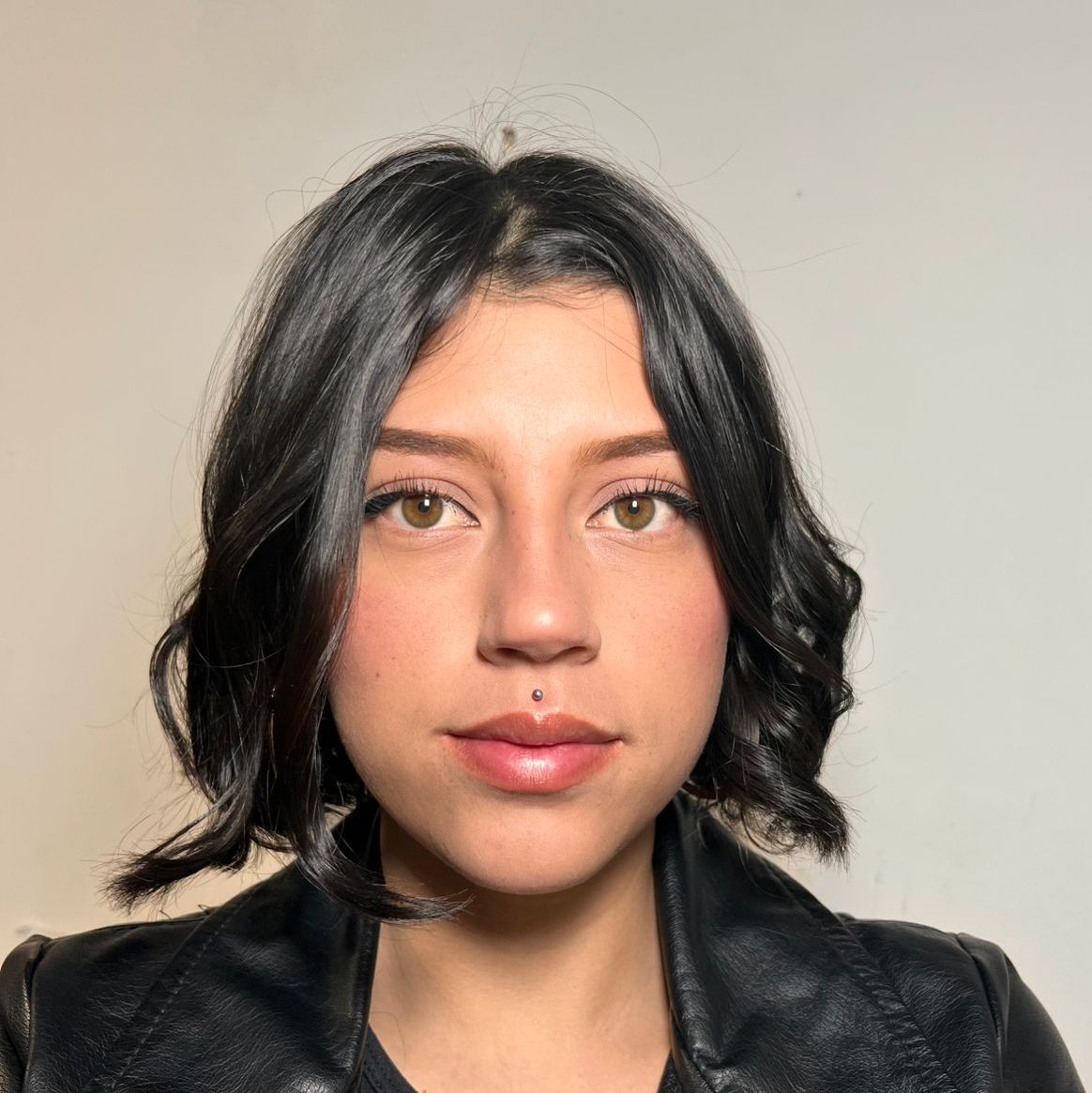
Jhon Ruiz Jimenez
Advisor & Co-Founder
Social Circus / Alternative Pedagogics
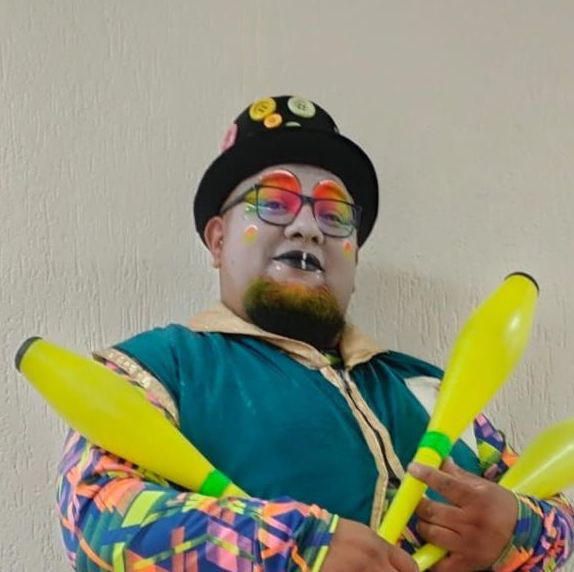
Dra. Claudia Tovar Guerra
Advisor & Co-Founder
Psychosocial Approaches
Psychosocial Approach
Our work is defined by the critical psychosocial approaches, which redefine the notion of mental health by proposing a different way of understanding how psychological suffering occurs. Unlike traditional approaches, which often seek to adapt the individual to the environment, critical approaches seek to contribute to the transformation of that environment, since social conditions (the bond with others) are not only variables that affect people's well-being but structure subjectivity.
It understands the profound implication of the social meanings of reality for this subjective configuration, which is why it seeks to strengthen the social fabric and community capacities, which operate as containment scenarios for the activation of solidarities and the unfolding of singularities. With this psychosocial focusing we build an approach that articulates the psychoanalysis of the Lacanian field with popular knowledge and artistic and creative practices.
Popular Nomopoetics
This is the name we give to our psychosocial approach. The notion of nomopoetics indicates the creative act of being-in-the-world (existence), which links the idea of subjective constitution, in relation to mythical foundational ideals, with the image of the human and the non-human that every society provides. Hence our meaning of fundamentes.
The popular, beyond a socioeconomic condition but related to the people´s everyday dynamics, implies an alternative to being-in-the-world based on the critical deconstruction of the ideals that constitute this foundational being-existence. It implies positioning, a place from which exclusion and inequality (economic, gender, power relations) are reviewed in order to question them using one's own cultural expressions and knowlegde, which in turn are valued.
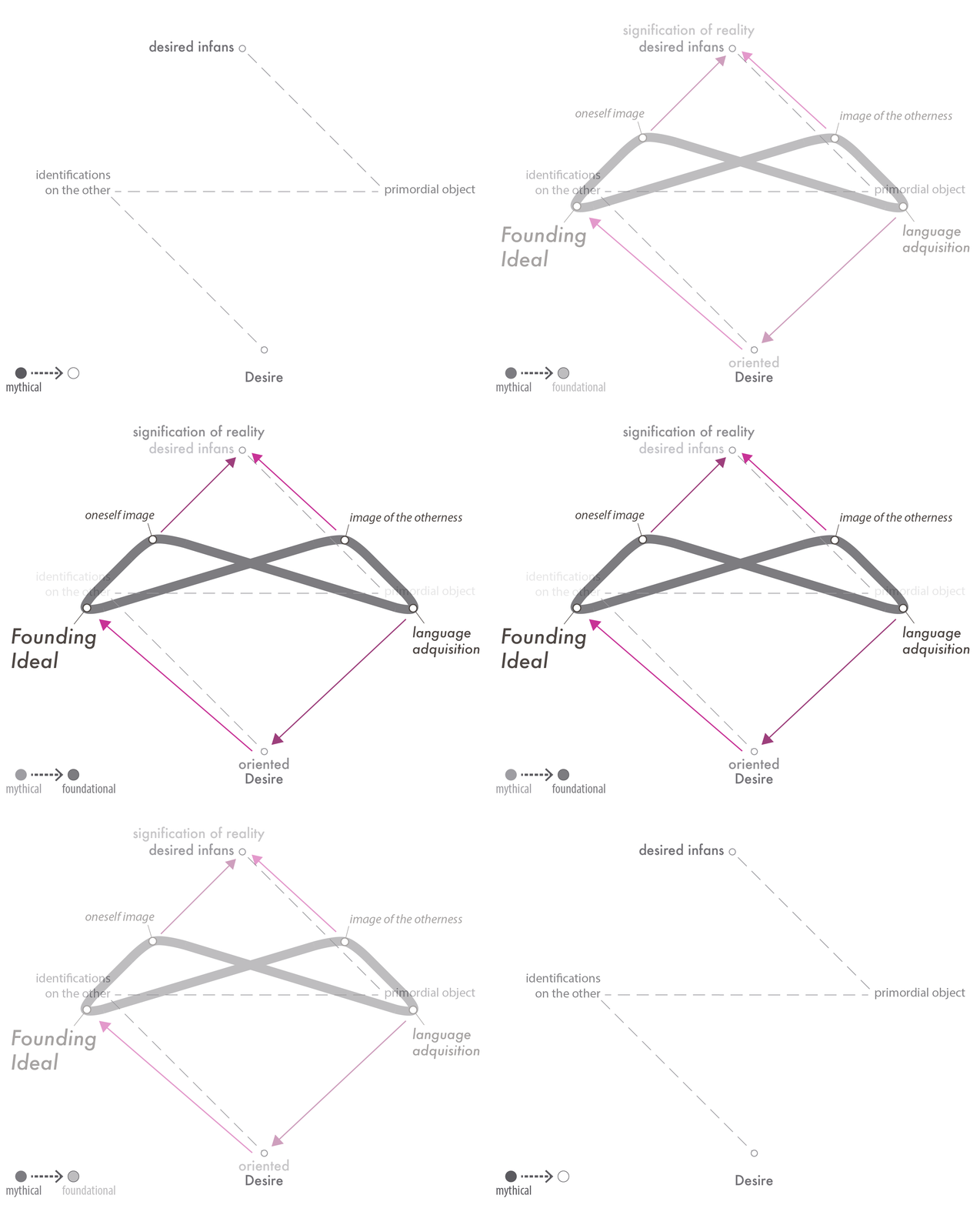
Therefore, we believe that young people possess their own knowledge that allows them to critically think these ideals and take positions on them. Those who live in informal/popular urban environments would have their own unique ways of understanding this knowledge, despite the deficiencies and inequalities experienced in these settings.
With this approach, we seek to facilitate artistic and cultural practices understood as poetics, which are the means for the deployment of this knowledge that allows the reconstruction of the ideals of being and existing in the (re)making of the world, particularly in questioning unfavorable ideals related to informal/popular environments.
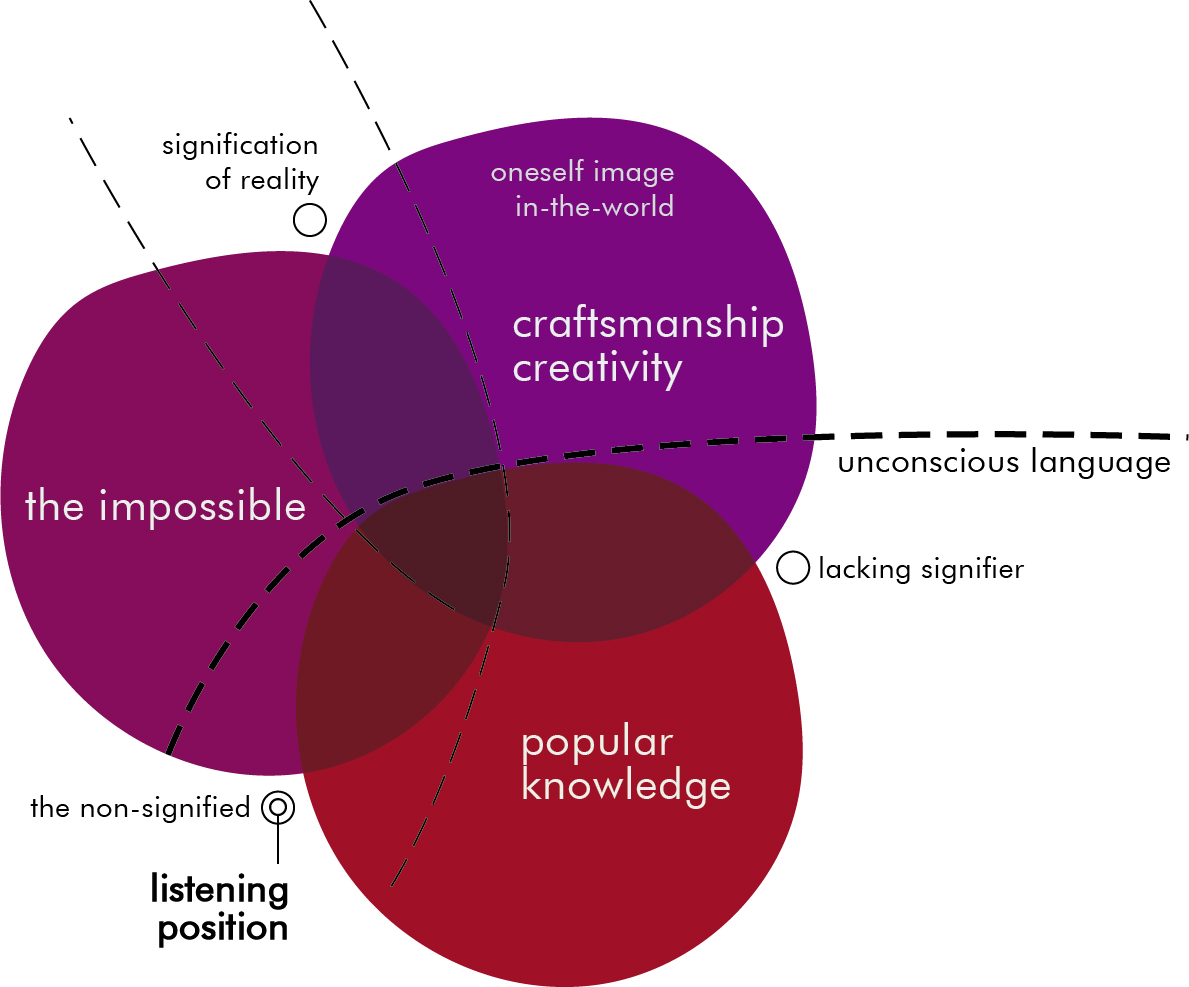
This way, three scopes are defined that nomopoetics seek to articulate, as if subjective construction was about interweaving language with the image of oneself in-the-world, which is guided by the search for the satisfaction of desire that is made possible or not in the social bond.
The scope of Popular Knowledge deals with a particular relationship with language, where an alternative significance is created that reframe the configurations of meaning.
The scope of Craftsmanship Creativity refers to the possibility of imagining a different world through artistic languages that reflect these alternative meanings.
The scope of Listening of the Impossible rather indicates the absence of meaning, that is, the anxiety, displeasure or pain produced by adverse situations that make it impossible to signify reality and, therefore, to be guided by desire.
Programs
Following the above, we aim to generate processes that allow for different ways of articulating (knotting) these three scopes that make up subjectivity (the image of oneself in-the-world articulated through language to process the impossible). In this way, three articulating programs (knot-programs) are proposed to implement a nomopoetic psychosocial approach, that is, the revision and transformation of the founding ideals of subjectivities in a popular key, to promote an alternative social bond that allows for the creation of other possible worlds, that is, other possible ways of signifying reality in order to face the impossible.
Narrative Construction
Knotting the image of oneself with other narrative languages that allows to express something of the impossible in experiences of non-recognition for the reconfiguration of meaning.
Territorial Reflection
Knotting the image of the world to alternative identifications that strengthen the appropriation of the territory to question the impossible adverse related to stigmatization.
Creative Skills
Knotting artistic languages to imagine another possible material consistency of the world, transforming the experience of material lack into a creative act.